

Wave height and period: why a seemingly calm day can feel uncomfortable
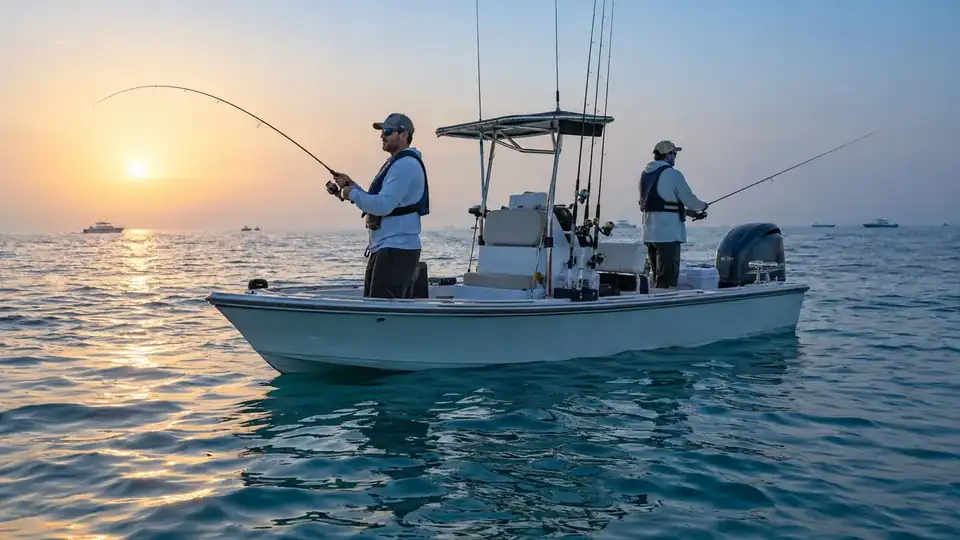
A modest wave-height forecast can still accompany repeated impacts underway. Period, direction and the vessel response change the experience.
Learn what each value describes and what to discuss with the skipper, without inventing a motion percentage from information that does not include the boat.
1. A representative height is not an upper limit
Many forecasts report significant wave height. Do not interpret that number as the largest wave you will encounter, or as the height of breaking water on a particular rock. Individual waves vary. Record the location, forecast time and source alongside the value.
A sheltered marina and an exposed route are different environments. A calm departure point does not describe the whole trip. Compare the outward and return portions of your route, not just the conditions beside the launch.
2. Read period as the rhythm of the sea
Period is the interval in seconds between successive crests passing a fixed point. Closely spaced waves can produce repeated impacts in a small boat underway. Longer intervals can feel different, including rolling and heaving; longer-period waves can also create problems as they reach shallow water.
As a learning example, two forecasts might both show 0.6 m but periods of 3 s and 7 s. Those are different patterns, not a rule that either one is safe. The numbers illustrate a comparison and are not departure thresholds.
3. Direction matters relative to the vessel
A geographic direction in a forecast must be related to the boat's heading. Head seas, beam seas and following seas can produce different behaviour. Beam seas may increase rolling. Decisions about speed and heading belong to a competent skipper assessing the vessel and conditions.
Ask whether the return leg will face the waves, whether the direction changes, and whether the route crosses an exposed headland or narrow entrance. A highly rated fishing period cannot settle those questions.
4. Wind speed is not wave speed
Wave period, wind speed and current speed describe different things. For a fishing interface, clearly labelled height, period and direction are more useful than inventing a wave-speed estimate. None of them alone predicts an angle of roll or a passenger's comfort.
Hull design, length, load distribution and travelling speed change the experience. Secure equipment and arrange the working area before departure, rather than sorting loose tackle while the deck moves.
5. Adjust the fishing plan, not only the sinker
Boat motion can interrupt bottom contact and change line tension. Review the presentation and tackle ratings before adding weight. A heavier sinker may help one part of the setup while making handling more difficult.
Consider passengers' experience and comfort in the decision. A shorter outing or postponement can be more productive for learning than chasing a high score. Seek appropriate professional advice about seasickness medication rather than choosing it casually.
6. Keep a useful trip record
Before departure, record wave height, period, direction, wind and gusts for travel, fishing and return hours. Discuss the forecast with the skipper for the actual boat. After returning, note whether discomfort came from impacts underway or rolling while stopped, and whether conditions changed near an entrance or headland.
Keep unsuccessful fishing trips in the record as well. Comparing forecasts with actual experiences gradually creates a more useful local understanding than remembering only days with catches.
Describe the motion precisely
Was the discomfort underway or while stopped, and were waves arriving from the side or bow? Did it change near a headland? These observations are more useful than calling the sea bad. Keep the forecast and trip time, and distinguish an offshore model cell from a sheltered marina or shallow shore.
Continue learning
- Waves and wind on shore: choosing a position and reading tackle movement
- Read the marine forecast: a fishing plan from departure to return
Sources and further reading
Educational guidance, not a vessel-motion calculation or a navigation forecast. Review the official local marine bulletin.
Choose the next lesson
This guide has a specific job. Use the related lessons for a different decision rather than reading the same subject as one general forecast.